The world is moving faster than ever. Fashion evolves in real time, technology reshapes daily habits, and digital assets are transforming how people think about ownership and value. Today’s trends are not isolated movements. They intersect, influence one another, and create a new culture defined by speed, personalization, and digital presence. Understanding what is trending now means looking at how style, innovation, and digital finance connect to everyday life.
The New Era of Personal Style
Fashion is no longer limited to seasonal collections or runway inspiration. It has become a continuous conversation driven by digital platforms, consumer awareness, and technological creativity. Modern style reflects identity, sustainability concerns, and the growing influence of virtual environments.
Digital Influence on Fashion Trends
Social media communities and online creators shape trends faster than traditional fashion cycles ever could. Styles that once took months to spread now gain global attention within days. Consumers are no longer passive observers. They participate in trend creation through customization, digital sharing, and personal branding.
Minimalist wardrobes, functional clothing, and versatile pieces are gaining momentum. People want outfits that adapt to work, social settings, and online appearances. The rise of hybrid lifestyles has shifted fashion priorities toward comfort without sacrificing visual appeal.
Technology in Wearable Design
Innovation is transforming clothing into smart tools. Wearable technology now tracks health metrics, adjusts temperature, and integrates with mobile devices. Smart fabrics respond to environmental changes, offering both functionality and aesthetic value.
Sustainability is also a defining trend. Brands are investing in recycled materials, ethical production methods, and transparent supply chains. Consumers are increasingly drawn to fashion that aligns with environmental responsibility. This shift reflects a broader awareness that style should not come at the cost of the planet.
Innovation Reshaping Everyday Life
Technology is no longer a separate industry. It is embedded into how people communicate, work, shop, and learn. The most important innovations today focus on efficiency, personalization, and connectivity.
Artificial Intelligence in Daily Use
Artificial intelligence has transitioned from a futuristic concept into a practical tool. It powers recommendation systems, automates repetitive tasks, and enhances decision-making across industries. Businesses use AI to understand customer behavior, while individuals rely on it for productivity and organization.
Smart assistants, predictive tools, and adaptive software are becoming standard features rather than premium add-ons. The emphasis is shifting from technological novelty to practical usefulness. People expect technology to simplify life, not complicate it.
Connected Communities and Digital Collaboration
Remote work and digital collaboration tools have permanently changed professional environments. Flexible work arrangements are now common, supported by cloud-based systems and secure communication networks.
Communities centered around technology culture continue to grow. For example, discussions around innovation and digital transformation frequently appear in spaces connected with Geek Force Network, where enthusiasts exchange ideas about emerging tools and future trends. These discussions reflect a broader shift toward knowledge-sharing ecosystems rather than isolated expertise.
Cybersecurity and Trust in a Digital World
As digital interaction increases, security becomes a central concern. Individuals and businesses are more aware of data protection, identity safety, and secure transactions. Trust is now a critical factor in adopting new technologies.
People expect systems that protect personal information without creating friction. Innovation is increasingly measured not only by speed and efficiency but also by reliability and safety.
The Evolution of Digital Assets
Digital assets have moved beyond speculation and entered mainstream awareness. They represent ownership in virtual environments, financial innovation, and new forms of economic participation.
Understanding Modern Digital Value
Cryptocurrencies, tokenized assets, and blockchain-based ownership models are reshaping financial perspectives. Digital assets allow individuals to participate in decentralized systems without traditional intermediaries.
The appeal lies in transparency, accessibility, and global reach. Digital ownership can represent currency, art, identity, or access rights. This versatility is driving rapid adoption across industries.
See also Madeonverse Bedroom Explained – Digital Experience
Integration with Everyday Finance
Financial technology is bridging the gap between traditional systems and digital assets. Payment platforms, digital wallets, and secure transaction networks are making it easier for individuals to interact with decentralized financial tools.
Services associated with Juntos Seguros illustrate how modern financial ecosystems emphasize security, accessibility, and trust as digital transactions become more common. The shift reflects growing consumer expectations for seamless financial experiences across both physical and digital environments.
Regulation and Market Maturity
As digital assets expand, regulatory clarity is becoming more important. Governments and financial institutions are developing frameworks to ensure stability while encouraging innovation. This balance between freedom and structure is shaping the long-term sustainability of digital finance.
Market maturity is also visible in how digital assets are discussed. The conversation has moved from hype-driven speculation to practical applications, including digital identity management, cross-border transactions, and decentralized infrastructure.
Where Style, Technology, and Digital Assets Intersect
The most exciting trends emerge where different industries overlap. Fashion is entering digital environments, technology is personalizing experiences, and digital assets are redefining ownership.
Virtual Fashion and Digital Identity
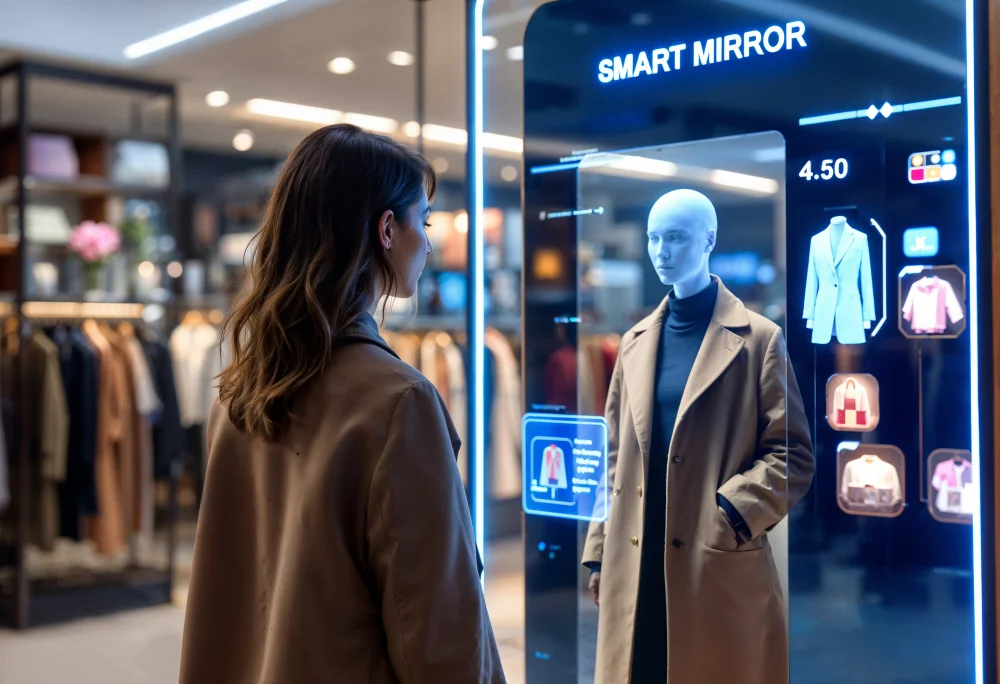
Digital fashion is gaining attention as virtual environments expand. People now invest in clothing designed for online avatars and virtual interactions. This trend reflects the growing importance of digital identity alongside physical presence.
Virtual fashion offers creative freedom without material limitations. Designers experiment with forms, textures, and effects impossible in traditional manufacturing. This intersection of creativity and technology signals a broader transformation in how style is expressed.
The Rise of Personalized Experiences
Personalization is the unifying trend across all industries. Consumers expect products and services tailored to individual preferences. Data-driven insights allow companies to create experiences that feel intuitive and relevant.
From customized clothing recommendations to adaptive financial tools, personalization enhances engagement and satisfaction. The ability to anticipate needs has become a defining feature of modern innovation.
Digital Ownership as Cultural Expression
Digital assets are increasingly viewed as cultural symbols rather than purely financial tools. Ownership of digital items, creative works, and virtual property reflects identity and participation in emerging digital cultures.
This shift demonstrates that value is no longer limited to physical objects. Cultural influence, creativity, and community engagement now play a major role in defining worth.
Why These Trends Matter Now
Understanding current trends is not only about staying informed. It is about recognizing how changes in technology, style, and finance influence everyday decisions.
Consumers are more connected, more informed, and more selective than ever. They seek authenticity, efficiency, and meaningful experiences. Businesses that adapt to these expectations are more likely to remain relevant in a rapidly evolving environment.
Innovation is no longer optional. It is the foundation of progress across industries. Whether through sustainable fashion, intelligent technology, or decentralized finance, the common goal is empowerment through smarter systems and better choices.
Looking Ahead
The future will continue to blur the boundaries between physical and digital experiences. Fashion will become more adaptive and sustainable. Technology will become more intuitive and integrated. Digital assets will become more practical and widely accepted.
What defines modern trends is not a single innovation but a continuous process of transformation. Style reflects identity, technology enhances capability, and digital assets redefine ownership. Together, they shape a world that is more connected, more personalized, and more dynamic than ever before.
Staying aware of these developments allows individuals and businesses to make informed decisions, adapt to change, and participate confidently in the evolving global landscape.