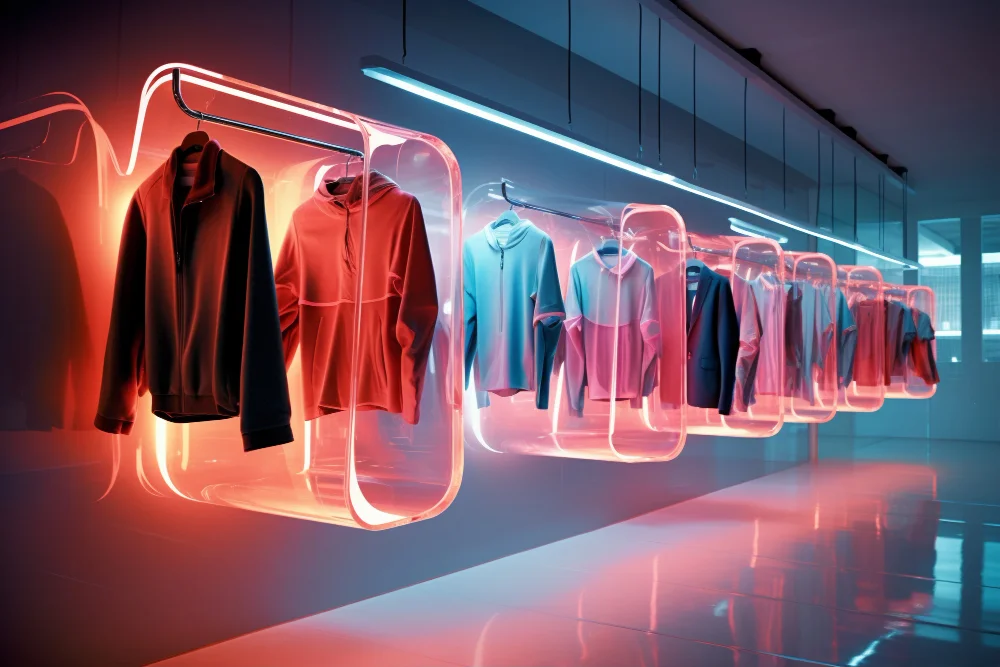
Fashion is no longer defined only by fabric, color, or seasonal trends. Technology is reshaping how clothing is designed, produced, marketed, and experienced. The transformation is visible everywhere, from smart textiles and virtual fitting rooms to digital fashion identities and sustainable manufacturing. As innovation accelerates, fashion is evolving into a technology-driven industry that blends creativity with intelligence.
Understanding how technology is transforming fashion reveals more than emerging trends. It shows how consumer expectations, digital tools, and global connectivity are redefining style for the modern era.
The Rise of Smart Fashion
Technology has moved beyond supporting fashion production. It is now embedded directly into clothing. Smart fashion integrates functionality with design, turning garments into responsive tools rather than static products.
Wearable Technology and Functional Clothing
Wearable technology continues to expand beyond fitness tracking. Smart garments now monitor health indicators, regulate temperature, and respond to environmental conditions. These innovations make clothing more adaptive and personalized.
For example, temperature-sensitive fabrics adjust insulation based on body heat. Performance wear tracks movement patterns to improve athletic efficiency. These features reflect a shift from passive clothing to interactive design.
Consumers increasingly expect fashion to offer practical value alongside visual appeal. This expectation is driving innovation in materials science and textile engineering.
Intelligent Materials and Fabric Innovation
Modern textile development focuses on flexibility, durability, and sustainability. Self-healing materials, lightweight composites, and bio-based fabrics are gaining attention. These materials reduce waste while improving garment longevity.
Innovation in fabric technology is also enabling new design possibilities. Designers can experiment with textures and structures that were previously impossible to produce. This creative freedom is expanding the boundaries of fashion design.
Digital Fashion and Virtual Identity
Fashion is no longer limited to physical garments. Digital environments have created new spaces where style exists entirely online. Virtual fashion reflects a growing emphasis on digital identity and self-expression.
Virtual Clothing and Online Presence
As digital interaction becomes central to everyday life, appearance in virtual spaces matters more than ever. Digital clothing allows individuals to express style through avatars, online events, and virtual communities.
Unlike traditional fashion, digital garments are not constrained by physical limitations. Designers can explore imaginative forms, dynamic textures, and animated elements. This freedom is transforming fashion into a hybrid of art and technology.
Digital fashion also supports sustainability goals. Virtual clothing eliminates material waste and reduces environmental impact while still enabling creative expression.
See also What’s Trending Now: Style, Innovation & Digital Assets
Augmented Reality and Virtual Try-On
Shopping experiences are becoming more interactive through augmented reality. Virtual try-on technology allows consumers to visualize clothing on their bodies without physical fitting rooms. This reduces uncertainty and improves purchasing confidence.
Augmented reality also enhances personalization. Consumers can explore styles tailored to body shape, preferences, and context. The shopping journey is becoming more intuitive and engaging as technology bridges the gap between digital and physical experiences.
Artificial Intelligence in Fashion Design
Artificial intelligence is transforming how fashion is conceptualized and produced. AI systems analyze trends, predict consumer preferences, and assist in design creation. This technology enhances creativity rather than replacing it.
Data-Driven Design and Trend Prediction
AI processes vast amounts of data to identify emerging style patterns. Designers use these insights to develop collections aligned with evolving consumer interests. This approach reduces risk and improves market responsiveness.
Trend forecasting is becoming more precise as technology analyzes behavior across digital environments. Fashion cycles are shortening, and brands must adapt quickly to remain relevant.
Discussions around digital creativity and innovation frequently appear in communities associated with Fashionisks, where technology-driven design trends are explored as part of the industry’s ongoing transformation.
Automated Production and Customization
Automation is improving manufacturing efficiency while enabling customization. Advanced production systems create garments with minimal waste and faster turnaround times. This shift supports both sustainability and consumer demand for personalized products.
Customization is becoming a defining feature of modern fashion. Technology allows consumers to influence design elements such as fit, color, and fabric selection. Fashion is evolving from mass production toward individualized creation.
Sustainability Through Technological Innovation
Sustainability is no longer a secondary concern. It is a central priority shaping the future of fashion. Technology plays a critical role in reducing environmental impact and promoting responsible production.
Digital Manufacturing and Waste Reduction
Advanced manufacturing techniques minimize resource consumption. 3D design tools allow designers to test concepts digitally before production begins. This reduces material waste and improves efficiency.
Supply chain transparency is also improving through digital tracking systems. Consumers increasingly want to know how garments are produced and sourced. Technology provides the visibility needed to meet this expectation.
Circular Fashion and Smart Recycling
Recycling technologies are evolving to support circular fashion models. Smart sorting systems identify fabric types and enable efficient reuse. This approach extends product life cycles and reduces landfill waste.
Sustainable innovation demonstrates how technology can align fashion with environmental responsibility. The industry is moving toward long-term solutions rather than temporary fixes.
The Digital Fashion Economy
Technology is not only transforming design and production. It is reshaping how fashion is marketed, distributed, and experienced within the global economy.
E-Commerce Evolution and Personalization
Online shopping is becoming more immersive and personalized. AI-driven recommendations help consumers discover styles aligned with their preferences. Real-time interaction and visual engagement enhance the digital retail experience.
Brands are investing in digital ecosystems that connect design, marketing, and customer experience. This integration reflects a broader shift toward technology-centered business models.
Insights into digital infrastructure supporting fashion businesses are often discussed in environments connected with Wixnets, where conversations highlight how online presence and technological integration influence modern retail success.
Global Reach and Digital Accessibility
Technology has removed geographical barriers within the fashion industry. Designers can reach global audiences instantly. Consumers can explore international trends without physical limitations.
Digital accessibility is democratizing fashion participation. Emerging designers gain visibility through online exposure, while consumers access diverse styles from across the world. This global exchange accelerates trend evolution and cultural influence.
The Human Experience of Technological Fashion
Despite rapid innovation, the core purpose of fashion remains unchanged. It is a form of identity, creativity, and cultural expression. Technology enhances these elements by expanding possibilities rather than replacing tradition.
Modern fashion blends craftsmanship with innovation. Designers combine artistic vision with technological capability to create experiences that feel both personal and forward-looking.
Consumers are no longer passive observers. They interact with fashion through customization, digital identity, and immersive experiences. This engagement transforms fashion into an ongoing dialogue between technology and self-expression.
Looking Ahead: The Future of Style
The future of fashion will be defined by integration. Physical garments, digital identity, and intelligent technology will operate together within a connected ecosystem. Clothing will become more adaptive, sustainable, and personalized.
Technology will continue to shape how fashion is imagined, created, and experienced. The transformation is not a temporary trend but a long-term evolution driven by innovation and changing consumer expectations.
Future style is not simply about what people wear. It reflects how individuals interact with technology, express identity, and engage with a rapidly changing world. As innovation continues, fashion will remain a powerful intersection of creativity and progress.