The smartphone era is reaching its saturation point
The idea that tech giants envision future beyond smartphones is no longer theoretical. It is now visible in product strategies, AI investments, and ecosystem redesigns across the global tech industry.
Smartphones still dominate daily life, but their role is gradually shifting from central computing devices to supporting tools inside larger digital ecosystems.
Key signs of maturity in the smartphone era:
- Hardware upgrades are becoming incremental
- Design changes are mostly cosmetic year to year
- Users upgrade less frequently than before
- Innovation is shifting from hardware to software and AI
At the same time, user behavior is evolving:
- Voice interaction is increasing
- App usage is being replaced by AI-driven suggestions
- Multi-device usage is becoming normal
- Screen fatigue is influencing digital habits
This signals a structural change in how computing is consumed.
Transition from device-centric to ecosystem-centric computing
Technology companies are no longer focused on building better standalone devices. Instead, they are building connected ecosystems where devices work together seamlessly.
The new model is based on continuity rather than isolation.
Core ecosystem principles include:
- Cross-device synchronization without manual setup
- Cloud-based user identity and memory
- Seamless switching between hardware
- Unified digital experiences across platforms
Example of this ecosystem flow:
- Start work on a smartwatch
- Continue on a laptop
- Finalize in a smart car system
No file transfers. No app switching. No interruptions.
See also Is Wurduxalgoilds Good — A Real User-Focused Evaluation in 2026
Artificial intelligence as the new computing layer
AI is becoming the foundation of how tech giants envision future beyond smartphones.
Instead of apps being the main interface, AI is becoming the central control layer.
Major AI-driven changes:
- Systems interpret user intent instead of raw commands
- Tasks are completed automatically across services
- Natural language replaces app navigation
- Predictive systems reduce manual effort
Users are shifting from interacting with apps to expressing goals.
Examples:
- “Plan my week”
- “Summarize my messages”
- “Organize my travel schedule”
The system handles execution across multiple platforms.
Wearables redefining human-device interaction
Wearable technology is becoming a key driver of post-smartphone computing.
These devices focus on continuous interaction rather than active engagement.
Key wearable trends:
- Smartwatches tracking health and activity
- Earbuds enabling voice-first computing
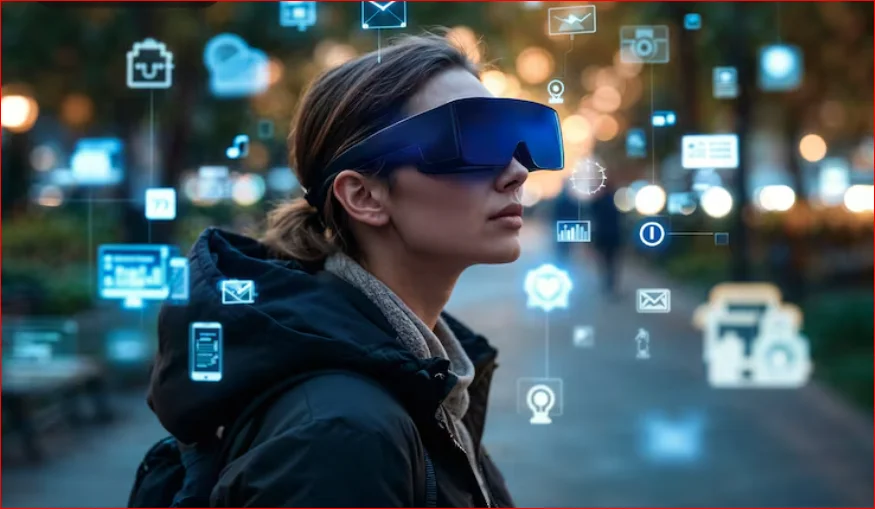
- Smart glasses introducing visual overlays
- Gesture-based control systems
This creates a computing environment that is always present but not always visible.
The smartphone becomes secondary in this interaction model.
Spatial computing blending physical and digital worlds
Spatial computing is reshaping how digital content exists in real environments.
Instead of interacting with flat screens, users experience layered digital environments.
Key applications include:
- 3D virtual workspaces
- Mixed reality collaboration tools
- Digital navigation overlays
- Interactive learning environments
This shift moves computing from screens into physical space.
Ambient computing as the invisible interface
Ambient computing focuses on systems that operate quietly in the background.
Rather than requiring active input, technology responds automatically based on context.
Examples include:
- Smart homes adjusting temperature and lighting automatically
- Vehicles preparing routes before travel begins
- Devices syncing data without user input
- Personalized content adapting in real time
The goal is reduced friction and increased automation.
Changing user expectations driving transformation
User behavior is one of the strongest forces behind this transition.
Modern expectations include:
- Instant responses without navigating apps
- Personalized digital experiences
- Minimal interaction effort
- Seamless cross-device transitions
- Voice and visual interfaces over typing
Younger users especially prefer:
- Short interaction cycles
- Passive assistance systems
- Automated task handling
- Less screen dependency
This accelerates the move beyond smartphone-centric design.
Cross-device intelligence becoming the standard
Future computing systems are being designed around cross-device intelligence.
This means all devices operate as a unified system.
Key capabilities include:
- Shared memory across devices
- Real-time data synchronization
- Context-aware automation
- Unified user profiles
There is no longer a “main device”—only connected access points.
Connectivity and cloud infrastructure as the backbone
Advanced connectivity makes this ecosystem possible.
Critical technologies include:
- 5G and upcoming 6G networks
- Edge computing systems
- Cloud-based processing infrastructure
- Low-latency data exchange
Without these systems, real-time intelligent ecosystems would not function.
Everyday life in a post-smartphone environment
The future being designed by tech giants is not device-focused—it is experience-focused.
Possible daily scenarios include:
- AI-managed morning schedules based on sleep patterns
- Real-time travel optimization during commutes
- Automatic health tracking and feedback systems
- Work tasks distributed across multiple platforms
- Entertainment adapting to mood and environment
Technology becomes an assistant rather than a tool.
Strategic competition among global tech giants
The competitive landscape is shifting away from smartphones.
Companies are now competing on ecosystem intelligence.
Key areas of competition:
- AI assistant capabilities
- Augmented and mixed reality platforms
- Cloud-based personal systems
- Integrated hardware-software environments
- Subscription-based AI services
Success will depend on ecosystem depth, not device sales.
Final direction of computing evolution
The transformation does not eliminate smartphones. Instead, it reduces their dominance.
The future direction includes:
- Invisible computing embedded in environments
- AI-driven decision-making systems
- Seamless movement across devices
- Reduced reliance on screens
- Continuous digital presence
The real change is not the end of smartphones, but the end of smartphone dependency.
The vision of tech giants envision future beyond smartphones represents a shift toward computing that is continuous, intelligent, and ambient—where technology adapts to humans, not the other way around.