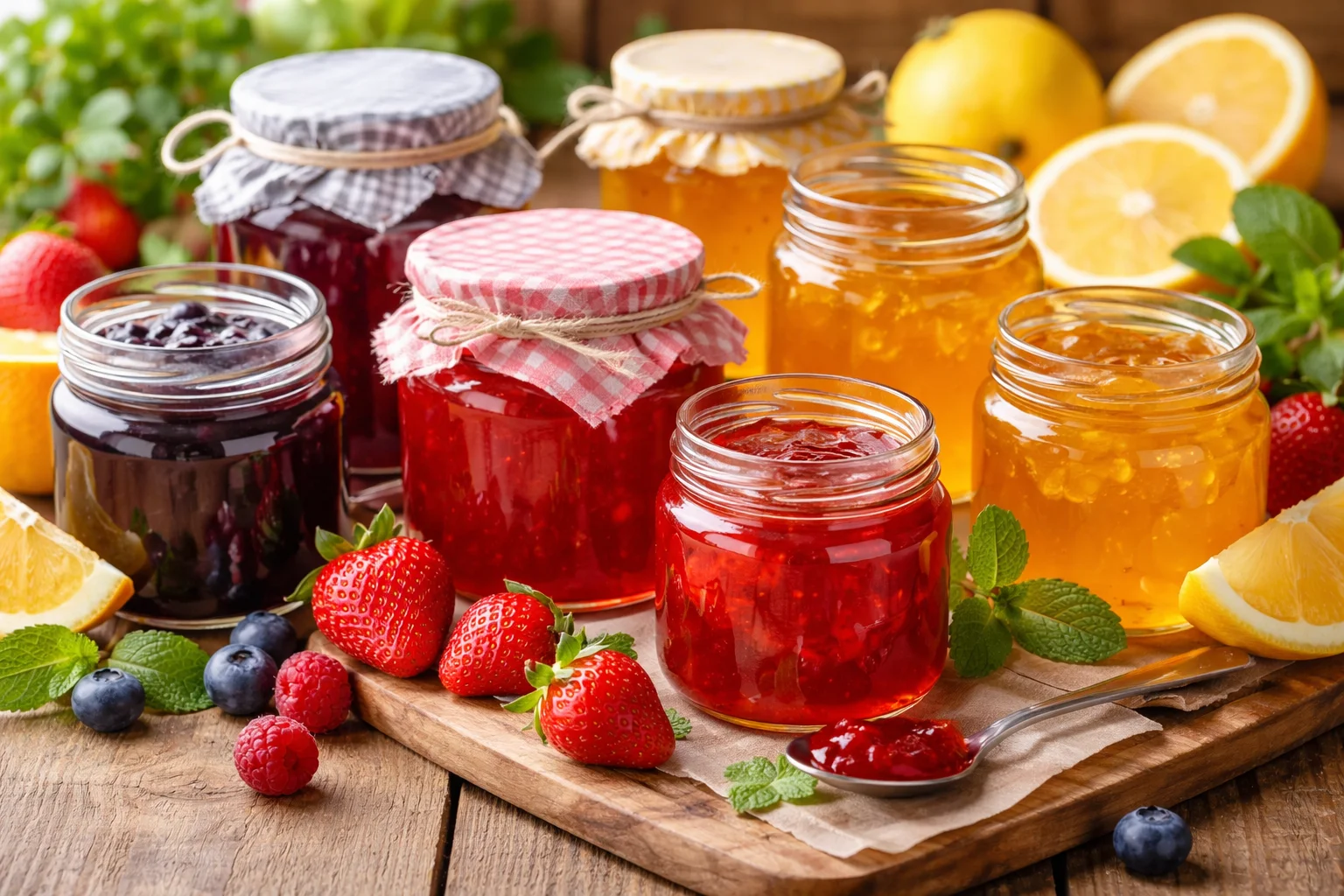
Jelly enthusiasts, welcome to the ultimate guide on www.recipes jelly.com recipesjelly.com. Whether you’re a beginner or a seasoned jelly maker, this article provides a wealth of information on crafting delicious, homemade jelly. From classic fruit flavors to modern vegan alternatives, this guide covers everything you need to know. Dive into the art of jelly making and explore the myriad of flavors and techniques that await you.
Introduction to Jelly Making
Jelly, a beloved gelatin dessert, has been a staple in kitchens worldwide for centuries. Known for its smooth texture and vibrant flavors, jelly can be made with a variety of fruits and ingredients. This guide aims to answer all your jelly-related questions and inspire you to create your own delectable versions at home.
Why Make Jelly at Home?
- Flavor Control: Choose your ingredients and customize flavors to suit your taste.
- Healthier Options: Create sugar-free or vegan versions to meet dietary needs.
- Preservation: Extend the life of seasonal fruits through homemade jelly.
- Gift Ideas: Homemade jelly makes for a thoughtful and delicious gift.
The Basics of Jelly Making
Before you start, it’s important to understand the basics of jelly making. Here’s what you need to know:
Ingredients List
- Fruit or Fruit Juice: The primary ingredient for flavor.
- Pectin: A gelling agent that helps jelly set.
- Sugar: Enhances sweetness and helps with preservation.
- Acid: Usually lemon juice, which aids in setting and enhances flavor.
Necessary Equipment
- Heavy-Bottomed Pot: For even cooking.
- Candy Thermometer: Ensures proper boiling temperature.
- Sterilized Jars: Essential for preserving your jelly.
- Ladle and Funnel: For transferring jelly into jars.
Step-by-Step Jelly Recipe
Making jelly can be a rewarding process. Follow these steps for a basic jelly recipe:
Preparation Steps
- Prepare the Fruit: Wash and cut the fruit, removing any seeds or pits.
- Extract Juice: Simmer the fruit with water and strain to obtain juice.
- Measure Ingredients: Use a ratio of 4 cups of fruit juice to 1 box of pectin and 4 cups of sugar.
Cooking Instructions
- Mix Juice and Pectin: In a pot, combine juice and pectin. Bring to a boil.
- Add Sugar: Gradually stir in sugar. Boil for 1–2 minutes, stirring constantly.
- Test for Set: Use a spoon to drop jelly onto a cold plate. If it wrinkles, it’s ready.
Cooling and Setting
- Fill Jars: Use a ladle and funnel to pour jelly into sterilized jars.
- Seal and Cool: Secure lids and allow jars to cool at room temperature.
Flavor Variations and Enhancements
Experimenting with flavors can elevate your jelly. Here are some ideas:
Fruity Twists
- Mixed Berry Jelly: Combine strawberries, blueberries, and raspberries.
- Citrus Blend: Use oranges, lemons, and limes for a zesty jelly.
Herbal Infusions
- Lavender Jelly: Add dried lavender for a floral note.
- Mint Jelly: Infuse with fresh mint leaves for a refreshing taste.
Tips and Troubleshooting
Even experienced jelly makers face challenges. Here’s how to solve common issues:
Common Mistakes
- Overcooking: Leads to a stiff texture. Monitor the temperature closely.
- Improper Sealing: Causes spoilage. Ensure jars are properly sterilized and sealed.
Fixing Setting Issues
- Too Soft: Re-cook with additional pectin.
- Too Firm: Add a small amount of fruit juice and re-cook.
Preservation and Storage
Proper storage ensures your jelly lasts and retains its flavor:
Canning Techniques
- Hot Water Bath: Process jars in boiling water for 10 minutes to ensure a vacuum seal.
- Cool Storage: Store in a cool, dark place.
Shelf Life Considerations
- Refrigerated Jelly: Lasts up to 3 weeks.
- Canned Jelly: Maintains quality for up to a year.
FAQs
How long does homemade jelly last?
Homemade jelly can last up to a year if properly canned and stored in a cool, dark place. Once opened, it should be refrigerated and consumed within 3 weeks.
Can I use fresh fruit for making jelly?
Yes, fresh fruit is ideal for making jelly as it provides the best flavor and natural pectin content. Ensure the fruit is ripe for optimal results.
What is the difference between jelly and jam?
Jelly is made from fruit juice, giving it a clear, smooth texture, while jam includes crushed fruit, resulting in a chunkier consistency.
How do I fix jelly that didn’t set?
If your jelly didn’t set, re-cook it with additional pectin or boil it for longer. Ensure you’re using the correct ratio of ingredients.
What are some unique flavor combinations for jelly?
Explore combinations like cranberry-apple, jalapeño-pear, or blackberry-thyme for unique flavors.
Conclusion
Creating jelly at home is a delightful journey that allows you to explore flavors and techniques. Whether you’re preserving fruit, crafting a unique gift, or simply enjoying a sweet treat, homemade jelly offers endless possibilities. Use this guide on www.recipes jelly.com recipesjelly.com to enhance your jelly-making skills and share your creations with family and friends. Start experimenting today and discover the joy of making your own jelly!